How rain gets past a Mukilteo roof
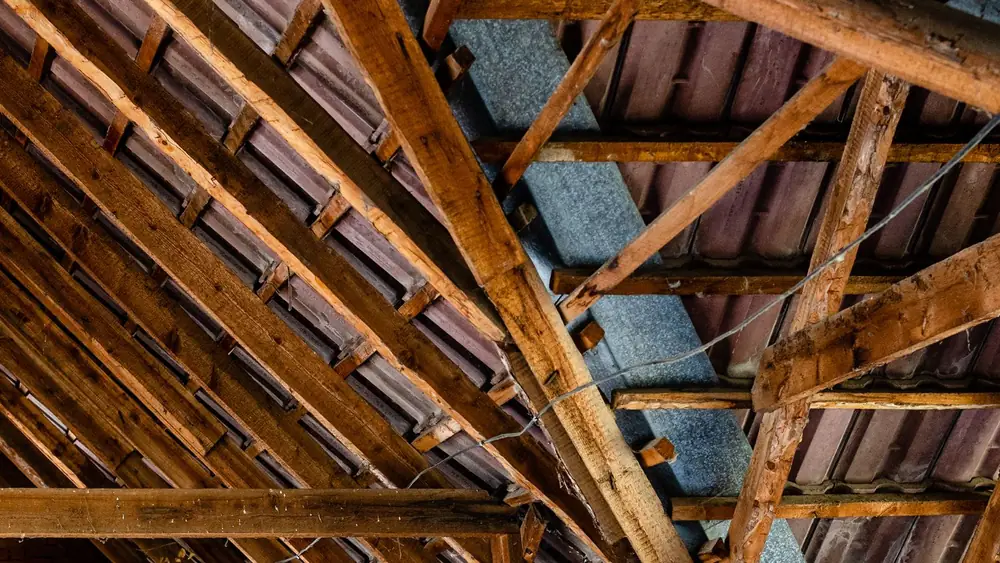
A roof rarely fails all at once. Water slips in at the weak points: a cracked pipe boot, a lifted corner of flashing, a valley packed with needles and moss, or the curb of a skylight. Bath fan vents and chimney edges do the same thing over a few wet seasons.
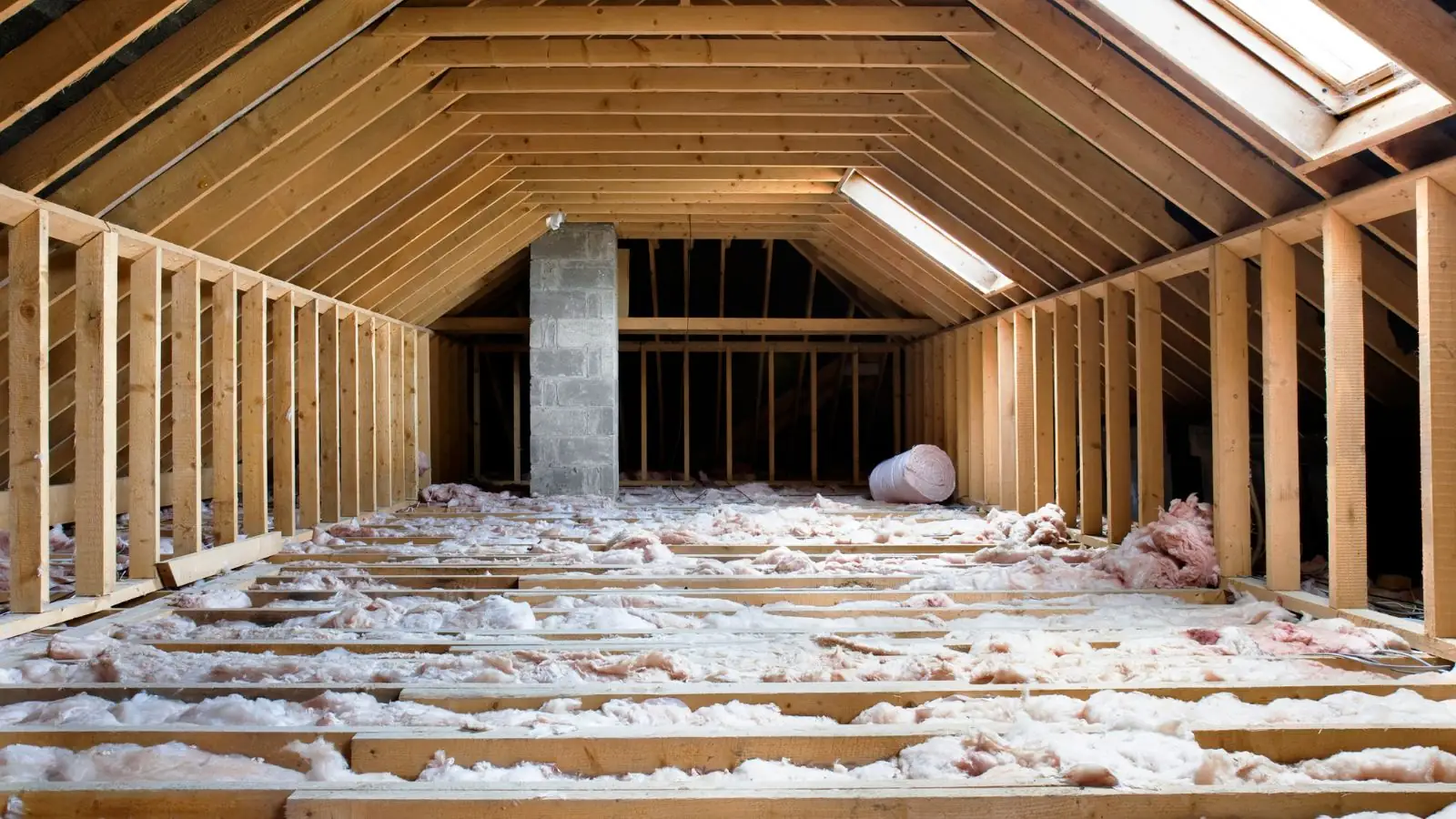
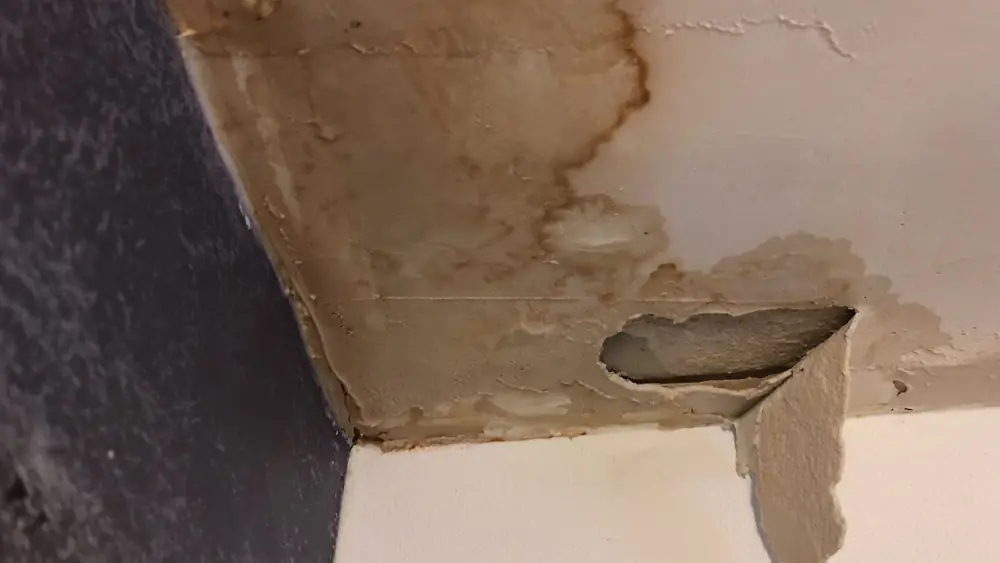
Mukilteo has mild, rainy winters and dry summers, so a small opening can sit unnoticed until the fall storms arrive. The water seldom drips straight down. It runs along a rafter or the top of a wall, soaks the attic insulation, and shows up as a stain several feet from the real entry point.
What the stain on your ceiling is telling you
| What you see | What it usually means | First move |
|---|---|---|
| Brown ring on the ceiling that grows after rain | Water is reaching the drywall from the attic side | Mark the edge with a pencil and photograph it |
| Ceiling bulging or sagging | Water is pooled on top of the drywall | Stay out from under it and call before it lets go |
| Drip near a light fixture or fan | Water is following the wiring or duct opening | Keep the switch off and do not touch the fixture |
| Stained wall below a window or skylight | Flashing or the frame is letting rain behind the trim | Towel off the sill and photograph the wall |
| Damp, matted attic insulation | The leak has been active for some time | Do not walk the attic joists in the dark |
| Musty smell with no visible stain | Moisture is sitting in a closed cavity | Note which room smells strongest and call |
Safety steps when water comes through the ceiling
- If water drips near a light, outlet or the panel, stay out of that room. Cut power only if you can reach the panel while standing on a dry floor.
- Call 911 and Snohomish County PUD for sparking, a buzzing fixture or downed lines before you call us.
- Smell gas? Leave the house and call 911, then Puget Sound Energy.
- Stay out from under a bulging ceiling and keep others away. Do not poke it, and call us so the crew can plan the release.
- Do not climb onto a wet roof. A roofer handles access and temporary protection.
- Move furniture and electronics out of the drip zone and keep children and pets away.
The roof is only half the problem
Wet attic insulation keeps soaking framing long after the rain stops.
What the crew does once the water is inside
A roofer fixes the roof. We dry and rebuild the building underneath it. Our crew starts by finding how far the water traveled, using a moisture meter on the ceiling, walls and floor, and a thermal camera to spot wet insulation and framing above the stain.
Wet ceiling drywall and soaked insulation are often removed rather than dried, since they hold water against the framing. Air movers then push dry air across the exposed cavity, and LGR dehumidifiers pull the moisture out of the room. Extraction units handle any water that reached the floor, and an air scrubber with HEPA filtration helps when demolition stirs up dust.
Ask any company whether its crews follow ANSI/IICRC S500, the published standard for water damage. Rain through a roof is usually clean when it arrives, but it picks up dust and insulation fibers on the way down. Drying typically takes a few days, and that depends on the materials and conditions.
Why the first fall storms matter most
NOAA's 1991 to 2020 climate normals for Paine Field show October through March adding up to about 22.2 of the roughly 33.4 inches that fall in a year, close to two thirds. That means most of the roof's work happens in six months. Book a roof inspection in September, not after the first soaking.
The same stretch is when wet insulation has the least chance to dry on its own. Cold, damp attics move moisture slowly. If you see a stain in December, assume the cavity above it is wetter than the ceiling looks.
Permits, roofers and the order of work
The City of Mukilteo says all re-roofing projects require a permit, even overlays. Ask your roofer who pulls it and ask the city building department if you are unsure. A permit also means the work should be inspected, which is worth knowing before you agree to a quick patch or a full replacement.
Sequence matters here. The roof opening has to be stopped before drying can hold, or the next storm re-wets everything. Our crew coordinates around the roofer, drying the structure while the roofing work goes on and rebuilding the ceiling once the moisture readings are normal.
What changes the cost of a roof leak loss
- How long water ran before anyone noticed
- How much attic insulation is wet
- Whether the ceiling drywall can dry or must come out
- How many rooms the water reached
- Whether it traveled down a wall into flooring
- The finish work needed after drying
Scope and price explained before work starts. A leak caught the first night costs very differently from one that has fed an attic for a season.
Roof leaks and your policy
Sudden and accidental damage is often covered, while gradual leaks and neglect often are not. A storm that lifts shingles is a different story from flashing that wore out over years. Check your policy, and ask your insurer how it treats roof age and wear.
The Washington Insurance Commissioner advises calling your insurer or agent as soon as possible and not making permanent repairs until the insurer has seen the property. Photograph everything and keep receipts. Temporary protection is usually fine, but a full re-roof before the inspection is not. Nobody can promise what a policy will pay.
Moisture, mold and what to do next
According to EPA guidance, water-damaged areas and items should be dried within 24 to 48 hours to prevent mold. Wet insulation and drywall are the usual trouble spots, since a hidden attic cavity does not dry in that window on its own. Call early, and if mold shows up afterward, our mold remediation page explains how containment and removal work.
Once the structure is dry, water damage repair covers the rebuild: drywall, insulation, paint and trim. Wind-driven rain through walls is a different loss, covered under storm water damage.
Mistakes that turn a small leak into a big one
- Waiting for a dry day to look at the ceiling
- Painting over a stain before the cavity is dry
- Climbing a wet roof to find the hole
- Putting a tarp on without a roofer's guidance
- Throwing out wet materials before photographing them
- Letting a roofer close the ceiling before it is dry
Where we dispatch for roof leak damage
The dispatch line also serves Edmonds and Lynnwood, with the same drying process in each town. Same-day response when available. To start now, call (425) 592-3399.
Frequently asked questions
Yes. The line is open around the clock, and same-day response is offered when available. Tell the dispatcher which rooms are wet and whether any water is near a light or outlet.
No. A roofer finds and fixes the opening. Our crews extract water, dry the building and rebuild the ceilings and walls once everything is dry.
It depends on the cause and your policy. Sudden and accidental damage is often covered, and slow leaks or wear often are not. Ask your insurer, and report it quickly.
Wet insulation is heavy, holds water against the framing and is hard to dry in place. It is often removed. Do not walk joists in the dark, since you can step through the ceiling.
Water follows framing, ducts and wiring before it drops. A leak at a vent can show up as a stain several feet away. Mark the edge of the stain and call so the crew can trace it.
The City of Mukilteo says all re-roofing requires a permit, even overlays. Ask your roofer who applies, and ask the city building department about smaller repairs.
Still have a question? Call (425) 592-3399, any hour.