How a sewage backup starts in a Mukilteo home
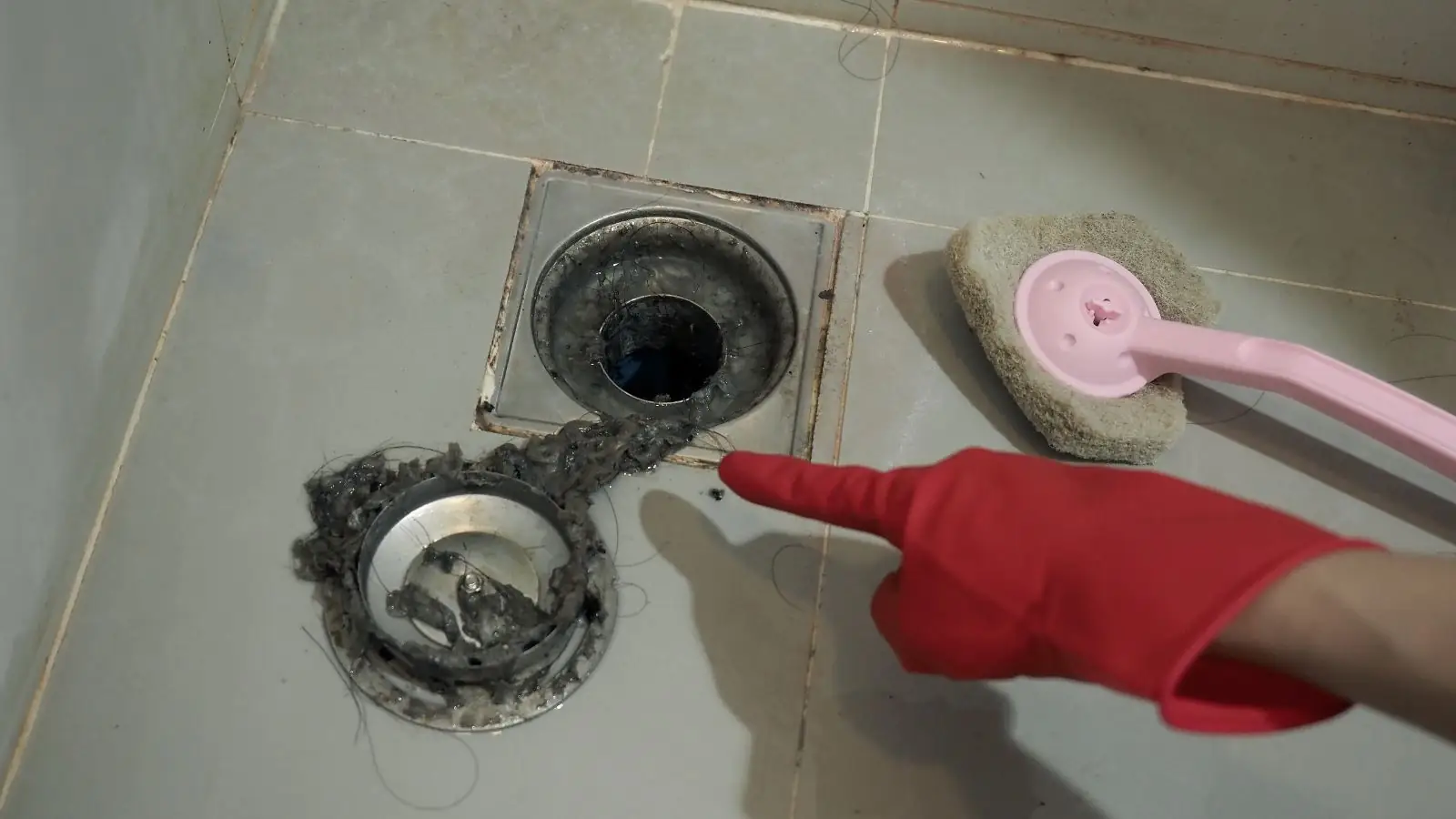
A sewage backup means wastewater is pushing up through the lowest openings in your plumbing: a floor drain, a basement toilet, a tub or a laundry standpipe. The cause is usually a blockage in the side sewer that runs from your house to the main, or a problem in the public main itself. Tree roots, grease, wipes and a collapsed pipe section are the common culprits.
The lowest drain in the house takes the hit first, because wastewater follows gravity back out of a blocked line. In a home with a lower level, that is often a floor drain or a bathroom in the lowest room. Mukilteo has mild, rainy winters, and wet weather can add flow to a line that was already partly clogged.
What you see and what it means
| What you see | What it usually means | First move |
|---|---|---|
| Gurgling toilet and slow drains in several fixtures | A blockage is building in the side sewer or main | Stop using water and call a plumber or your sewer utility |
| Dark water rising from a basement floor drain | The line is fully blocked and flow is reversing | Keep out of the room, shut off the laundry and call for dispatch |
| Toilet overflows with every flush | Blockage in the toilet trap or the branch line | Do not flush again, close the lid and call a plumber |
| Brown stain spreading under a wall | Sewage has soaked drywall and framing | Leave the wall alone and call for containment and extraction |
| Sour or rotten odor with no visible water | Hidden wet material or a dry trap letting gas out | Open a window, avoid the area and call for an assessment |
Safety steps before anyone enters the room
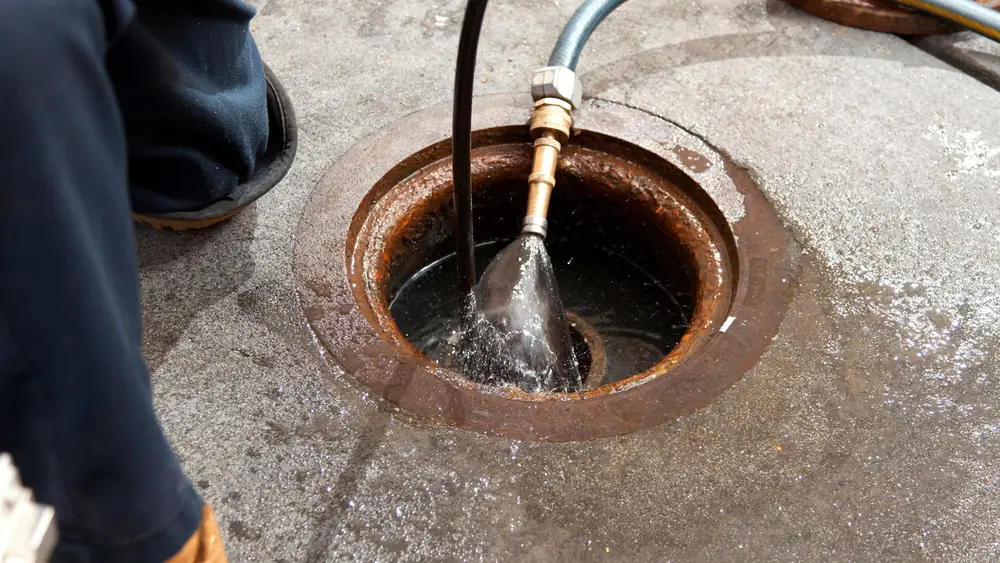
- Stop all water use in the house: no flushing, no laundry, no dishwasher, no showers.
- If water is touching outlets, cords or a panel, do not step in it. Cut power only if you can reach the panel while standing on dry ground.
- If you smell gas or see sparks, leave and call 911, then your gas utility, before you call anyone else.
- Call the responsible sewer utility for a main-line problem. Ask your water bill or your neighbors which district serves your street.
- Keep children, pets, and anyone with a weak immune system out of the affected rooms.
- Do not touch the water with bare skin and do not run a household vacuum or fan through it.
Once those steps are done, call (425) 592-3399 and describe which fixtures backed up and roughly how far the water spread. That detail lets the crew bring the right pumps and containment supplies.
Backup still rising?
Stop using every drain and call now so a crew can plan the cleanup.
Who handles which part of the problem
The Snohomish Health District says it does not investigate indoor sewage spills, and it tells people with a broken sewer line to contact the responsible sewer utility right away. Take that literally: your first call about the line itself goes to the utility or a plumber, not the health district.
Alderwood Water and Wastewater District's published information says its maintenance team runs the wastewater collection system, meaning the mains. Because other parts of Mukilteo are served by a different district, ask your own district who owns the pipe segment that failed. A plumber clears or repairs the line. We handle the wet rooms, and our flood damage restoration work covers Category 3 water like this.
How the crew removes and sanitizes
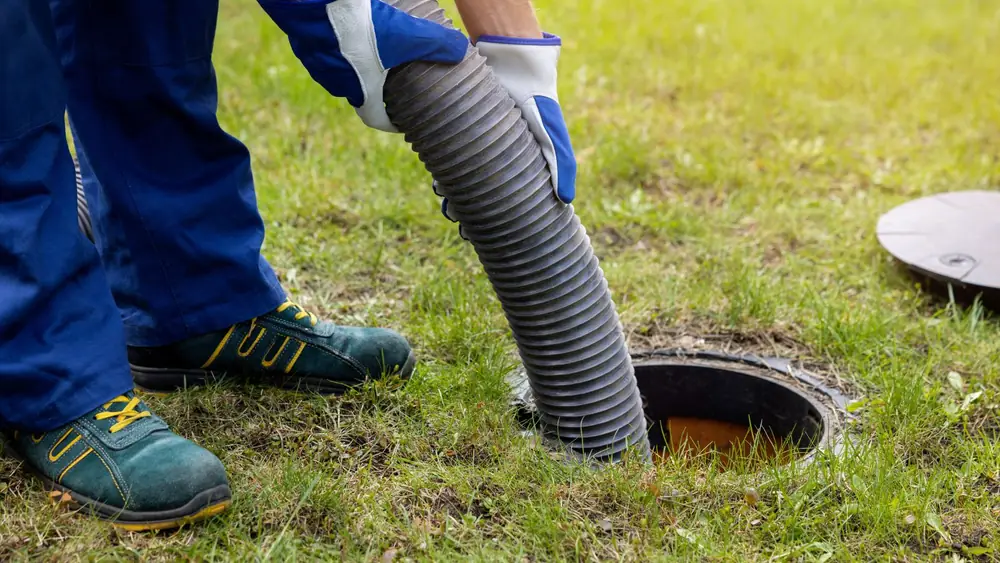
Sewage is Category 3 water under the ANSI/IICRC S500 standard, which is a published industry document you can ask any company about. That category means the water is grossly contaminated and everything it touched is treated as unsafe until proven otherwise. The crew suits up with gloves, boots, eye protection and respirators before entering.
- Extraction units pull standing sewage out of the room and into sealed containment, not down your drains.
- Poly sheeting and negative air machines with HEPA filtration keep odor and particles inside the work zone.
- Moisture meters and a thermal camera show how far the wicking went into drywall, baseboards and framing.
- Air movers and LGR dehumidifiers dry the structure that can be saved once the contaminated material is out.
Porous items soaked in sewage are usually removed rather than cleaned. That often includes carpet, pad, insulation and the lower stretch of drywall. Hard surfaces get a detergent wash and a sanitizer pass, and the crew follows our water damage cleanup steps to deodorize.
What to keep and what to throw away
EPA flood cleanup guidance tells homeowners to wear protective equipment and to throw away anything that cannot be cleaned and dried, and it stresses drying within 24 to 48 hours. Take photos of every item before it goes out. The Snohomish Health District cleanup guide also says to discard mattresses and stuffed furniture that sewage soaked.
Solid wood, glass, metal and hard plastic can usually be washed and sanitized. Soft goods, particleboard cabinets and cardboard boxes rarely survive. Keep a small sample of discarded flooring or drywall for your adjuster, and do not haul wet debris through clean rooms.
What drives the cost of a sewage cleanup
Scope and price are explained before work starts, and the final number depends on a few things you can see for yourself. The more of these that apply, the more labor and disposal the job needs.
- How many square feet of floor the water reached and how deep it stood.
- Whether it soaked carpet, pad, insulation or finished walls that must come out.
- Whether the room is finished or a bare concrete utility space.
- How long the water sat before the call, which affects odor and material loss.
- Whether the backup recurs, which may mean waiting on a plumber before rebuilding.
Insurance and sewer backups
Coverage for a sewer backup varies a lot, and many standard homeowners policies leave it out unless you added a backup endorsement. Read your policy and ask your insurer what is listed for water backup, sump overflow and sewer drain. FloodSmart, the federal flood insurance program's public site, notes that most homeowners and renters policies do not cover flood, so do not assume rising outside water falls under the same policy.
The Washington Insurance Commissioner advises photographing damage when it is safe and keeping samples of discarded materials for the adjuster. Insurers also have a contractual right to inspect, so ask your insurer when it can look at the property before you tear out finished surfaces.
Mistakes that make a backup worse
- Running water to see whether the drain has cleared.
- Mopping with a household mop and then using it elsewhere.
- Mixing bleach with ammonia or other cleaners in a closed room.
- Leaving carpet and pad in place for days to see if they dry.
- Pouring chemical drain openers into a line that already has sewage in it.
Backups that reach beyond Mukilteo
Sewage jobs do not stop at the city line. If your property is just south, our Lynnwood service area page explains how we cover that city, where the city of Lynnwood handles its own sewer. Toward the north and east, the Everett service area page lists the neighborhoods we reach.
When a sewer line fails, ask your plumber to scope the pipe on camera. That finding shows where the break or blockage sits, which helps you and your insurer see who owns the pipe.
Frequently asked questions
Yes. We run 24/7 emergency dispatch for Mukilteo and nearby towns, and same-day response when available.
Call (425) 592-3399 and tell the dispatcher which fixtures backed up so the right gear is sent.
EPA guidance says to call a professional when the water was sewage or otherwise contaminated. Even a small toilet overflow can leave contamination in grout, baseboards and the subfloor.
If you do handle a tiny spill, wear gloves, boots and eye protection, and throw away what you cannot clean and dry.
Call the plumber or your sewer utility to find and clear the blockage, since we do not repair sewer lines. Call us as well so extraction can start while the line work is arranged.
The Snohomish Health District points people with a broken sewer line to the responsible utility right away.
Do not use bleach as your only method, and never mix it with ammonia. Sewage needs the contaminated material removed first, then a cleaner and sanitizer used by trained crews.
Follow the Snohomish Health District guide if you handle light surface cleanup of a flood-type event.
Check your water or sewer bill, or ask your neighbors. Part of south Harbour Pointe is served by Alderwood Water and Wastewater District, and north and central Mukilteo is served by Mukilteo Water and Wastewater District, according to the City of Mukilteo.
Once you know the district, ask whether the failed pipe is a main or your own side sewer.
Often yes for the lower section of drywall that sewage touched. Thermal imaging and moisture readings show how high the water wicked, so the cut line is based on measurement.
Rebuilding afterward is handled through our water damage repair work.
Still have a question? Call (425) 592-3399, any hour.