How a storm gets water into a Mukilteo house
Puget Sound storms rarely look like a flood. They look like rain driven sideways for hours, a limb across the gutter line, or a downspout that dumped beside the foundation. Water finds its way past window trim, door thresholds, siding seams and vent penetrations that stay dry in an ordinary shower.
This page covers that kind of loss, not rising water and not a failed roof. A roof leak is covered on our roof leak water damage page, and rising water belongs with flood damage restoration. Most storm calls fall in between, with wind, wet walls and overwhelmed drains.
Storm symptoms and what they tell you
| What you see | What it usually means | First move |
|---|---|---|
| Water streaking down a wall below a window | Wind-driven rain got behind trim or siding | Towel off pooled water, photograph it, and call |
| Wet carpet along an exterior door | Water crossed the threshold or flowed in under the sweep | Lift furniture off the carpet and keep people off it |
| Gutters spilling over at one corner | A clog or a downspout that backed up | Stay off the ladder in wind, and note where it spills |
| Sump pit full and pump silent | Power outage or a pump failure during the storm | Do not touch the pump if the floor is wet |
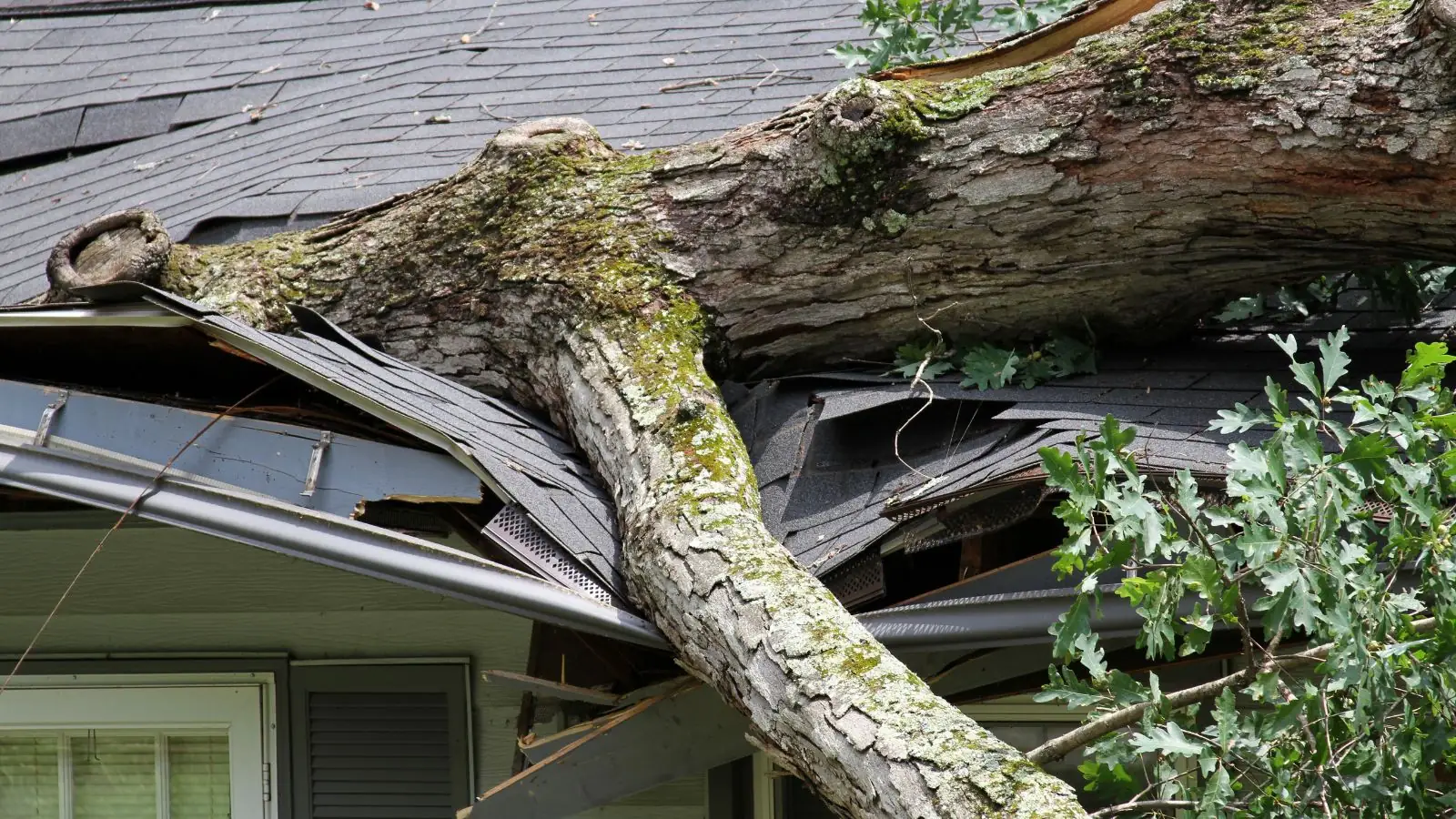
| Limb on the roof or siding | Possible puncture or flashing damage | Stay clear, photograph from the ground, and call |
| Soft drywall at the base of a wall | Water has been inside the cavity since the storm | Mark the edge of the stain with a pencil |

Safety steps during and right after the storm
- Stay away from downed lines and anything touching them, then call 911 and Snohomish County PUD.
- If water reaches outlets or the panel, do not enter. Cut power only if you can reach the panel while standing on dry floor.
- Smell gas? Leave the house and call 911, then Puget Sound Energy, before calling us.
- Run a portable generator outdoors, at least 20 feet from the building, per the Washington Insurance Commissioner.
- Do not wade through water that may carry sewage or live current.
- Keep children and pets out of wet rooms and away from broken glass.
Wind and rain found a way in
Wet insulation and drywall hold water long after the sky clears.
What the crew does once the rain stops
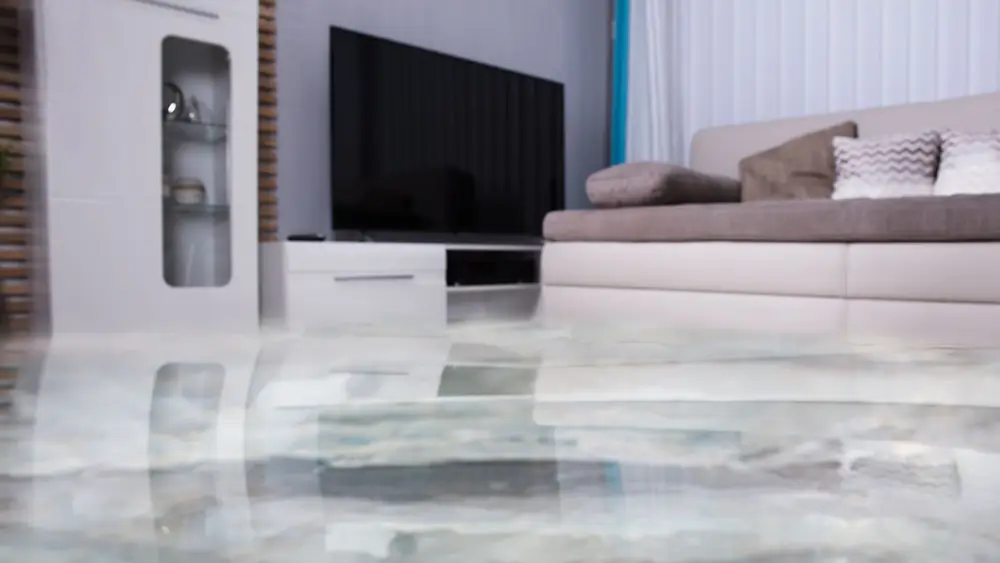
Extraction comes first. Truck-mounted and portable extraction units remove standing water from carpet, pad and hard floors, since a wet floor will otherwise feed moisture into the walls above it. A moisture meter and thermal camera then check drywall, trim and subfloor beyond the visible stain.
Air movers push dry air across wet surfaces, and LGR dehumidifiers pull the moisture out of the room. A few days is typical, though materials and weather change that. If the water came with mud, debris or runoff, the crew also washes and sanitizes surfaces and may use an air scrubber with HEPA filtration.
Ask any restoration company whether its crews follow ANSI/IICRC S500, the published standard for water damage. Wind-driven rain is usually clean at first, but runoff that crossed soil or a yard can move it into a higher category. The category sets what can be dried and what gets removed.
Gutters, drains and the stormwater system
The City of Mukilteo says its Surface Water Utility maintains city-owned stormwater infrastructure, while private ponds and underground vaults belong to the property owner. If you share a retention vault with neighbors or an association, call whoever manages it. The city's Fix It Public Works request is where residents report an existing drainage problem in a public system.
Check your own downspouts and yard drains in the first dry window after a storm. A drain that tied into a crushed pipe or a full vault can keep sending water to the same wall. Fix the water path before the rebuild, or the next storm repeats the loss.
The wettest month and why it matters here
NOAA's 1991 to 2020 climate normals for Paine Field put November as the wettest month at about 5 inches. That lands right after summer, when gutters hold leaves and sump pumps have sat idle for months. Clean gutters, test the sump pump, and look at downspout extensions in October.
Snohomish County's 2025 hazard mitigation plan describes a bomb cyclone windstorm that toppled trees into homes. That is a countywide record, not a Mukilteo statistic. For you, it means large trees near the house are worth an arborist's look before the season starts.
What changes the cost of a storm loss
- How many rooms and how much wall height got wet
- Whether the water was clean rain or carried yard runoff
- Carpet and pad versus hard flooring and subfloor
- Insulation and drywall that need to come out
- How long the water sat before extraction began
- Whether the power was out and equipment needs generator support
Scope and price explained before work starts. A storm that hit one window costs very differently from a storm that soaked a whole lower floor.
Wind damage, flood damage and your policy
Insurance splits storm losses by how the water arrived. Rain that came in through a wind-opened roof or window is often treated differently from water that rose from the ground. Flood damage is usually excluded and needs separate flood coverage, and FloodSmart notes most homeowners and renters policies do not cover it.
The Washington Insurance Commissioner's winter weather guidance says to call your insurer or agent as soon as possible and avoid permanent repairs until the insurer has seen the property. Photograph everything and keep receipts. Nobody can promise what your policy will pay, so ask your insurer and check your policy language.
Mistakes after a storm
- Waiting for the sky to clear before calling anyone
- Running a generator in the garage or near a window
- Closing up wet walls with new paint or trim
- Removing storm debris before photographing the damage
- Assuming a dry carpet surface means a dry pad
- Skipping the drainage fix once the room is dry
Where we dispatch after a storm
The dispatch line also serves Edmonds and Everett, with the same process in each town. Same-day response when available.
After the water is out, water damage cleanup handles debris, contaminated materials and odors. If you are weighing the whole job, the services index shows each stage. To start now, call (425) 592-3399.
Frequently asked questions
Yes. The line is open around the clock, and same-day response is offered when available. Tell the dispatcher where the water got in and whether the power is on.
It depends on how the water arrived and what your policy says. Wind and rain damage is often covered, while flood damage is usually excluded without a separate policy. Ask your insurer.
The City of Mukilteo says drainage problems in its public system are reported through the Fix It Public Works request. A private pond or vault belongs to its owner.
Yes, but outdoors only. The Washington Insurance Commissioner advises keeping portable generators at least 20 feet from the building.
Common causes are a power outage, a stuck float switch or a pump that was never tested. A plumber can fix the pump, and our crew dries what got wet.
Document the damage first, then ask your insurer when it can inspect. The Insurance Commissioner advises against permanent repairs before then, but drying should not wait.
Still have a question? Call (425) 592-3399, any hour.