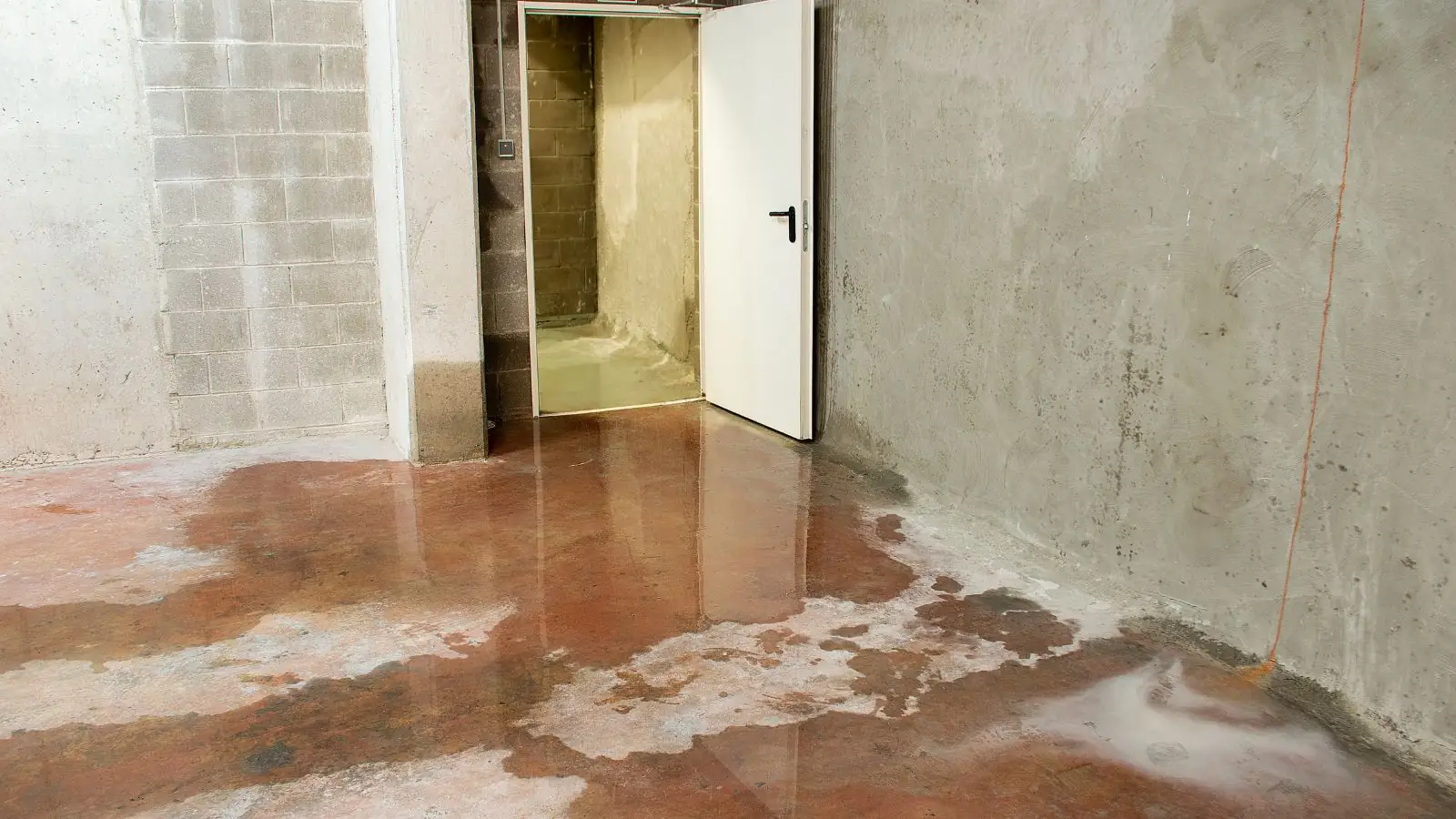
Why lower levels take on water here
Not every home in Mukilteo has a full basement. Many have a daylight lower level, a partial basement, a crawlspace or a garage at grade, so this page uses basement or lower level to cover any space built below or partly below the ground. If your home has none of those, water from a leak or storm is more likely a job for our water mitigation team.
Water gets into a lower level in a few ways. Groundwater pushes through the slab or the wall joint after long rain, a window well fills and spills over the sill, or a sump pump stops and the pit overflows. Mukilteo has mild, rainy winters, so the wet months are when these failures show up most.
Signs of water in a lower level and what they mean
| What you see | What it usually means | First move |
|---|---|---|
| Puddles along the wall and floor joint | Groundwater is coming through the cove joint after heavy rain | Keep power off nearby and call for extraction |
| Water inside a window well or under the sill | The well is full or the drain beneath it is clogged | Clear leaves only if it is safe, then call for pump-out |
| Sump pit full and the pump silent | Power loss, a stuck float or a failed pump | Do not touch the pump while standing in water and call a plumber |
| Dark stain climbing the drywall | Water is wicking up from the bottom plate into the wall | Leave the wall in place and call for moisture mapping |
| Floor feels cool and damp days later | Concrete is still holding moisture under the finish | Pull up flooring edges and call for a reading |
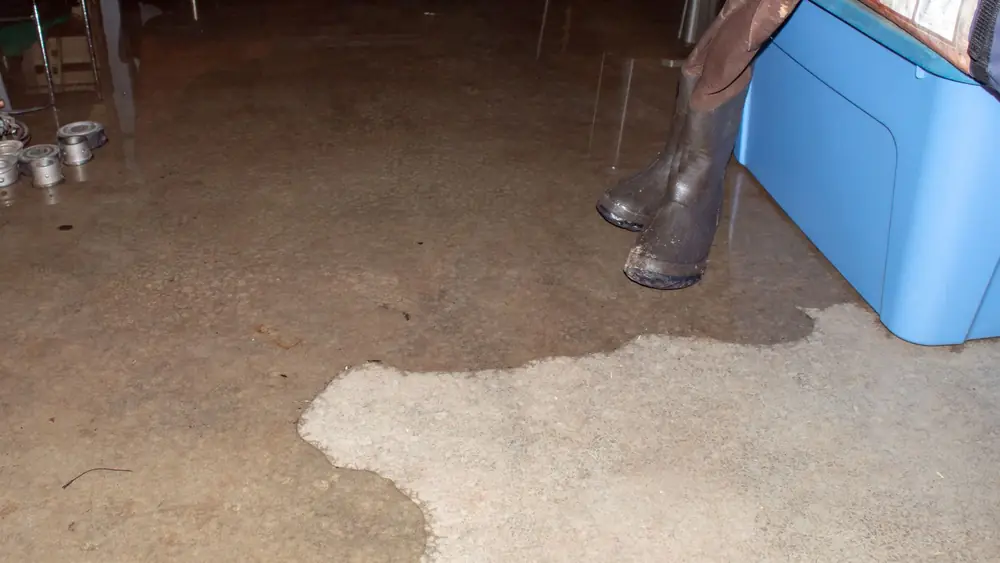
Safety steps for the first hour in a wet lower level
- Stay out of the water if it is near outlets, a panel, a furnace or a water heater. Standing water and live power can be deadly.
- Cut power only if you can reach the panel while standing on dry ground. If the panel is in the wet area, leave it alone.
- If water is touching the panel or you hear buzzing, call 911 or Snohomish County PUD before you call anyone else.
- If you smell gas near a furnace or water heater, leave the house and call 911 and Puget Sound Energy.
- Do not use a household vacuum, space heater or extension cord near the water.
- Check for a plumbing leak by testing your meter, then call (425) 592-3399 and describe how deep the water is and which rooms it reached.
Rainwater and groundwater in a lower level can carry soil, oils and sewage from a backed-up drain. Treat the water as contaminated until a crew has looked at it, and keep children and pets upstairs.
Water still coming in?
Call now so a crew can line up pumps and drying gear for your lower level.
Rule out a plumbing leak first
A lower level can flood from the inside too. Alderwood Water and Wastewater District's published leak test says to shut off every fixture, then watch the leak indicator on the meter. If it keeps moving, close the main valve and watch again. If it stops, the leak is inside the house, and the district notes that main valve is often in a basement or garage.
That test tells you whether to call a plumber for a broken supply line or to look outside for groundwater. If you are served by a different water district, ask it for its own meter guidance. Our crew dries the space either way, and a plumber handles the pipe.
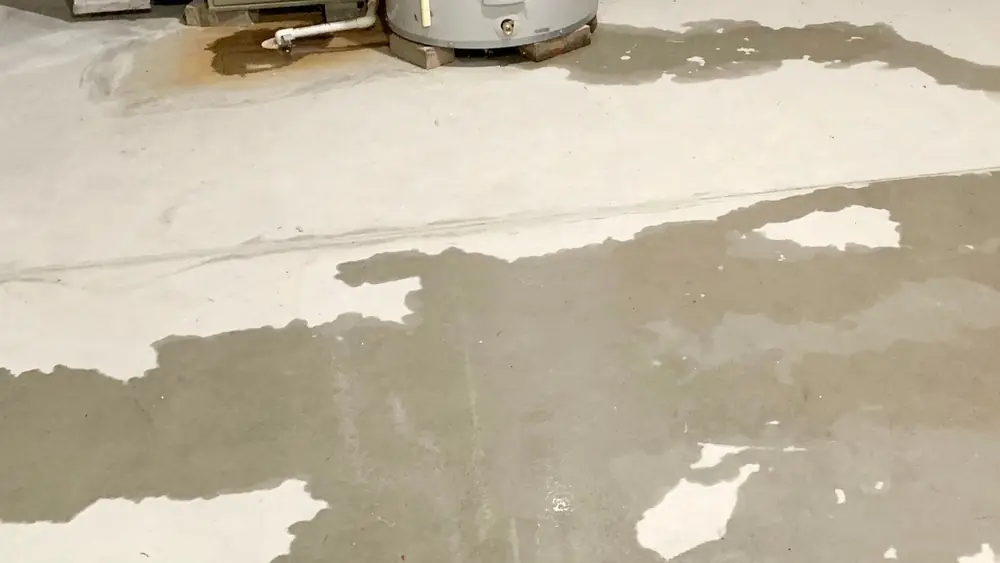
How the crew pumps out and dries a lower level
Standing water comes out first. The ANSI/IICRC S500 standard is a published industry document that guides water damage work, and you can ask any company whether its crews follow it. We start with extraction and then move to drying.
- Submersible pumps and extraction units remove standing water from the floor and the sump pit.
- Moisture meters and a thermal camera show how high water wicked into drywall, studs and the bottom plate.
- Air movers push dry air across wet walls and slab, and LGR dehumidifiers pull the moisture out of the room.
- Air scrubbers with HEPA filtration clean the air while wet material is cut out, and small floor cavities are opened where drying needs access.
Drywall and insulation that stayed wet are often removed rather than dried, usually a flood cut a foot or two above the water line. Wet carpet and pad usually go, but hard flooring may be saved. Slab drying is slow, since concrete can stay damp well after the room feels dry, and typically takes a few days depending on conditions.
Restoration is not waterproofing
Drying a basement fixes the damage, not the reason water came in. Cleanup does not seal a wall, grade the yard or replace a failed sump. A drainage contractor or waterproofing company handles those, and the order matters: fix the source, then rebuild.
If surface water in the street or a neighbor's drainage seems to be sending water your way, the City of Mukilteo says existing drainage problems are reported through its online Fix It Public Works request. It also says private ponds and underground vaults are the owner's responsibility, so ask who owns the structure near you. Once the room is dry, our water damage repair team can rebuild.
Finished and unfinished lower levels
A bare concrete utility room is the easy case: pump, wash, dry and watch the readings. A finished lower level with carpet, drywall, built-in cabinets and a bathroom is harder because water hides behind surfaces and takes longer to dry. Those jobs often need selective demolition and more equipment days.
If your lower level holds a laundry area, a water heater or a furnace, tell us when you call. Low equipment can be damaged by even a shallow flood, so have a licensed technician check it before you turn it back on.
What changes the cost of a basement cleanup
Scope and price are explained before work starts. The final figure depends on factors you can describe on the phone:
- How many square feet of floor the water reached and how deep it stood.
- Whether the water was clean groundwater or contaminated with sewage.
- Whether finished walls, carpet and insulation must come out.
- How long the water sat before the call, which affects mold risk and material loss.
- Access, such as narrow stairs or a window well that limits equipment placement.
Insurance, flood coverage and groundwater
Coverage for a flooded lower level varies a lot. A sudden and accidental plumbing failure is often covered, while seepage, long-term moisture and neglect often are not. A sump pump failure or water backup may need a special endorsement, so read your policy and ask your insurer what it lists.
FloodSmart, the federal flood insurance program's public site, states that most homeowners and renters insurance does not cover flood damage. Rising groundwater and surface water often count as flood, so check before you assume. FEMA's Flood Map Service Center is the official public source for flood hazard information and lets you search by address.
The Washington Insurance Commissioner advises photographing the damage when it is safe and keeping small samples of discarded materials for the adjuster. Ask your insurer when it can inspect before you tear out finished surfaces.
Mistakes and prevention for lower levels
- Walking into standing water near outlets, a panel or a furnace.
- Waiting several days for the water to go away on its own.
- Running a regular wet vacuum on a flooded floor with a damaged cord.
- Leaving wet carpet, boxes and stored items on the slab.
- Painting or covering damp walls before they are dry.
- Skipping a test of the sump pump and its backup power before the rainy season.
EPA guidance says to dry water-damaged areas within 24 to 48 hours to prevent mold. If it has already started, our mold remediation crews follow ANSI/IICRC S520 after the water source is fixed.
Basement water near Everett and Edmonds
We dispatch crews for lower-level jobs in Everett, where the Boulevard Bluffs neighborhood borders Mukilteo, and in Edmonds, whose downtown sits in a valley called the Bowl. Ask your own city or water district which agency covers your street before you report a drainage problem.
In any town, the first step is the same. Stay out of the water, protect yourself from power and gas, and call (425) 592-3399 so a licensed and insured crew can plan the job. Serving Mukilteo and nearby towns, with same-day response when available.
Frequently asked questions
Yes. Dispatch runs 24 hours a day, every day, with same-day response when available. Call (425) 592-3399 and describe the water depth and rooms affected so the right pumps and drying gear can be planned.
Yes. Many homes here have a daylight lower level, a partial basement, a crawlspace or a garage at grade. Whatever your lowest space is, a crew can extract water and dry the structure around it.
No. Restoration removes water, dries the structure and cleans the space. It does not waterproof walls, fix grading or replace a sump pump. A drainage or waterproofing contractor handles the cause.
Test your water meter with every fixture off. Alderwood Water and Wastewater District's published guidance says that if the leak indicator keeps moving, you have a leak somewhere, and closing the main valve helps narrow it down. Ask your own district if it differs.
It depends on the cause and your policy. Sudden plumbing failures are often covered, while flood and long-term seepage often are not. Check your policy and ask your insurer about sump and backup coverage.
The City of Mukilteo takes reports of existing drainage problems through its online Fix It Public Works request. That covers public stormwater systems. Water inside your home still needs a crew to extract and dry it.
Still have a question? Call (425) 592-3399, any hour.